Architectural Photographer • Architecture Photography • Interior Photography • Commercial Property Photography
Nick Caville Architectural Photographer for Architecture, Interiors and Commercial Property in 2026
Nick Caville is an architectural photographer creating clear, composed and commercially useful images for architecture practices, designers, developers, cultural venues and property teams. This 2026 portfolio has been rebuilt as a direct, fast and accessible homepage for people who need to review built work quickly, understand the photographic approach and find the right project route without unnecessary clutter.
Architecture photography built around real project intent
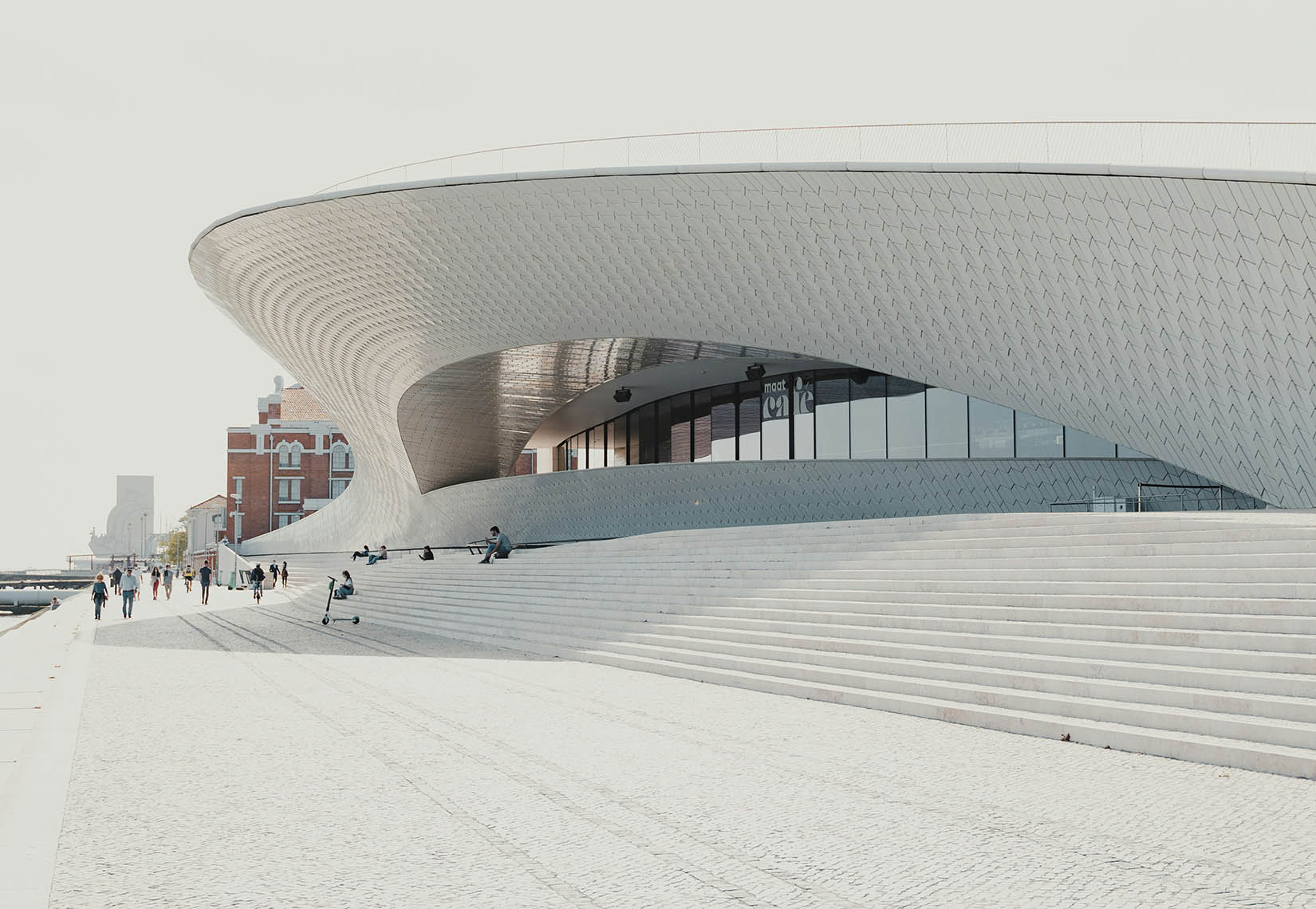
Strong architecture photography is not simply a record of a building. It is a controlled visual explanation of design decisions: how a public route opens into a civic space, how a facade responds to the street, how a retail environment invites movement, how an interior material palette changes under daylight, and how people understand scale when they first see a completed scheme. In 2026, clients expect images to work across many uses at once. A single commission may need to support award submissions, planning records, LinkedIn project launches, editorial pitches, printed brochures, leasing material, investor decks and website case studies. The photography therefore has to be attractive, accurate and flexible.
Nick Caville approaches architectural photography with that practical need in mind. The aim is to make images that look refined but not artificial, polished but not sterile, and structured enough to support a professional brand. Each frame is planned around viewpoint, light, height, lens choice, visual hierarchy and the final story the project has to tell. This is especially important for architecture practices and commercial property teams because photographs often become the first proof of quality a new client sees before reading the project description.
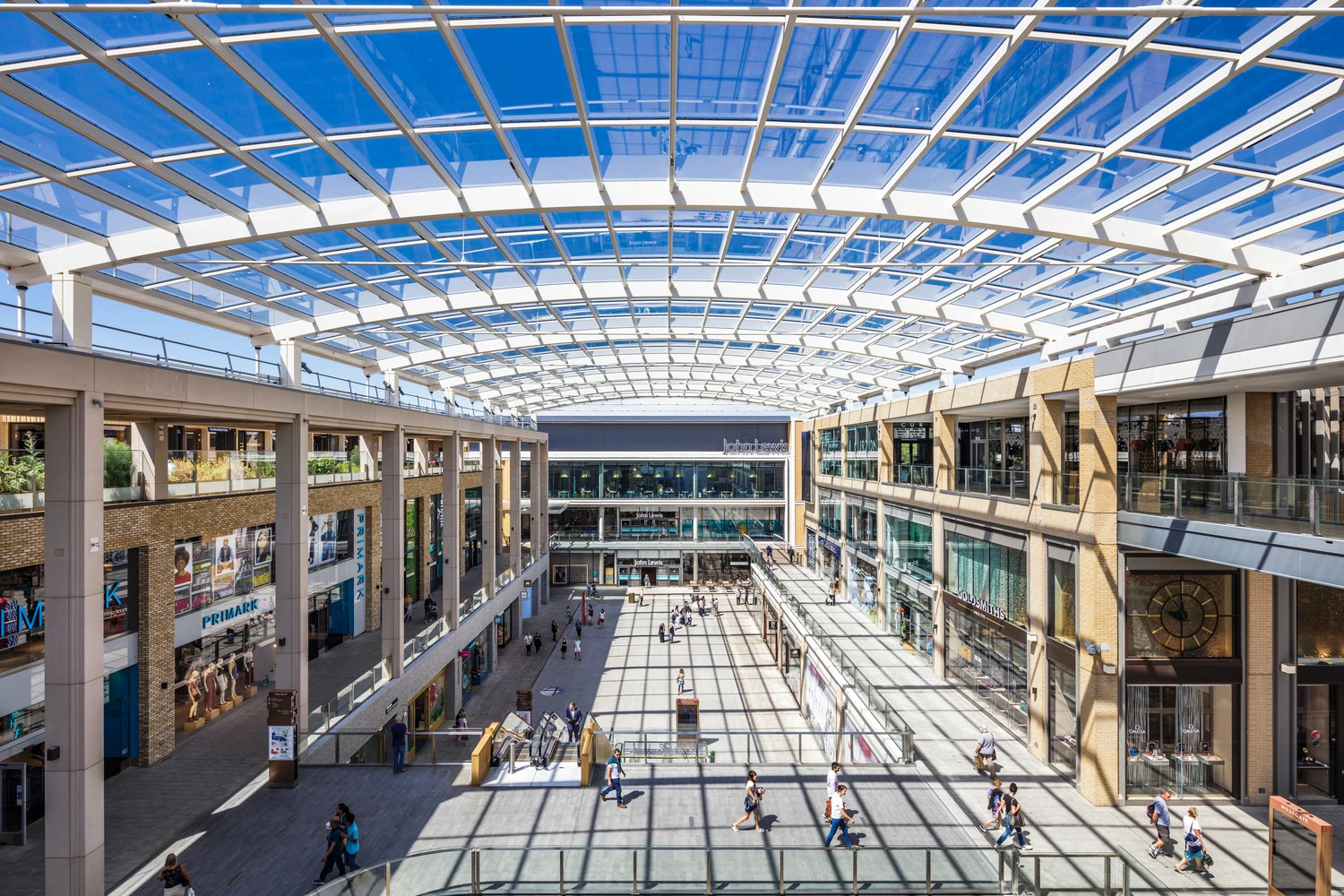
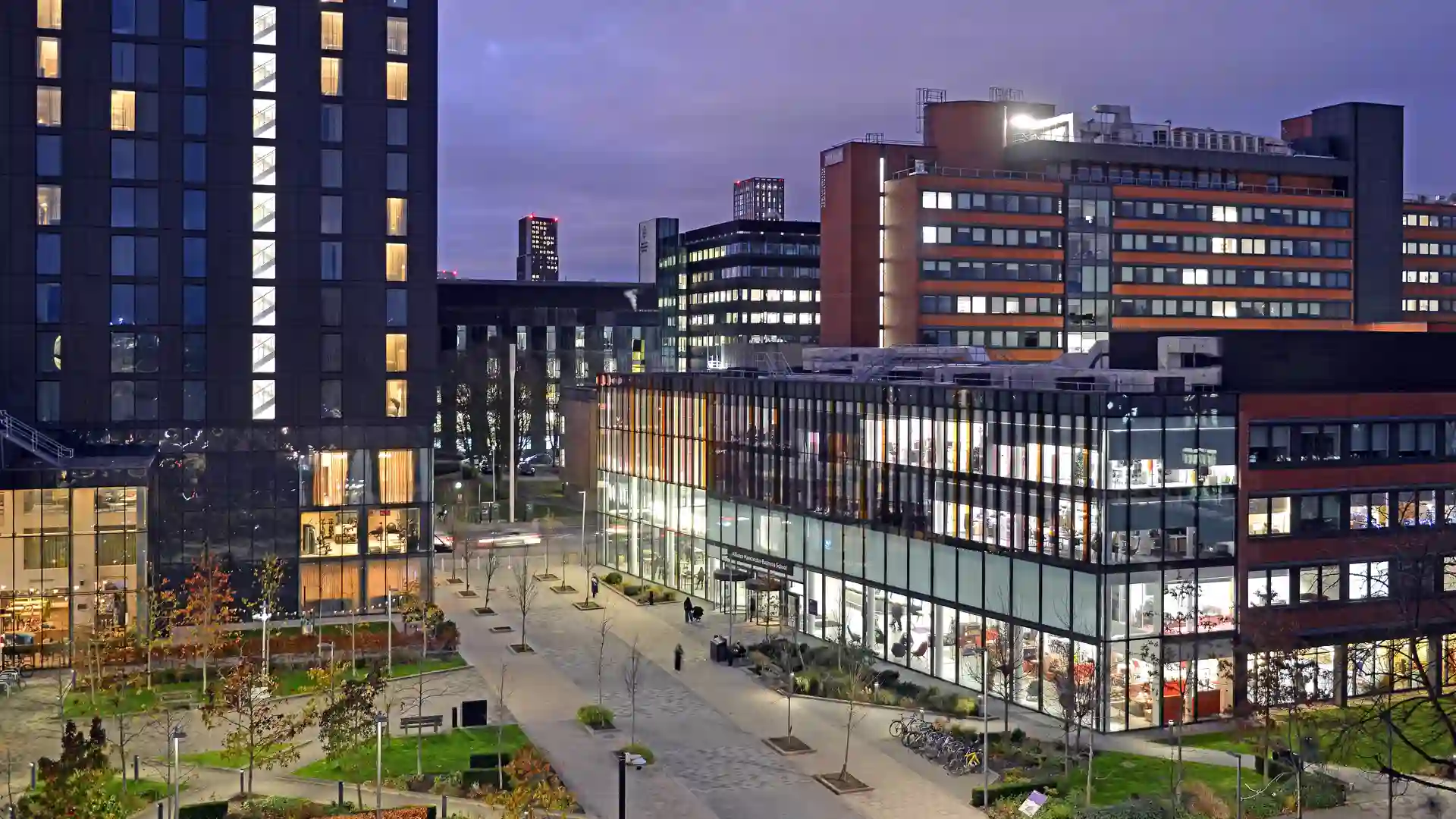
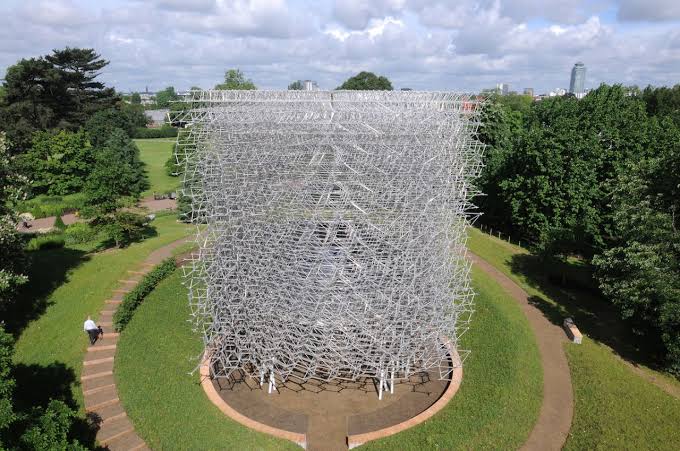
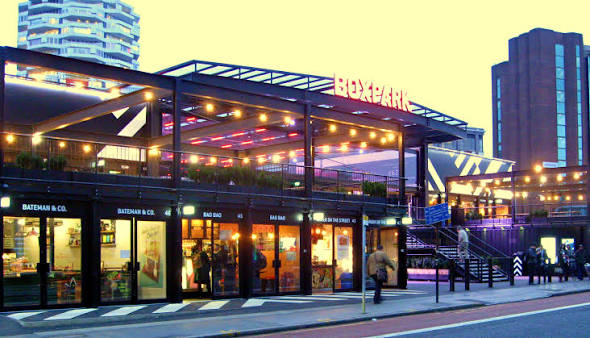
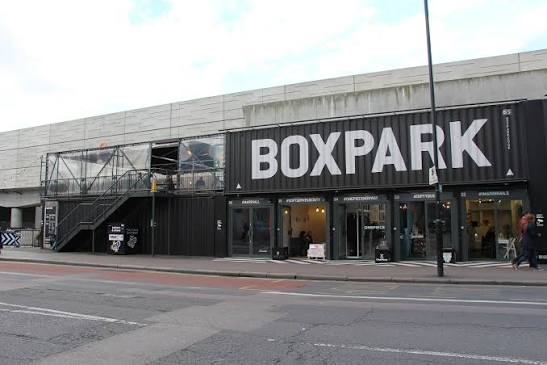
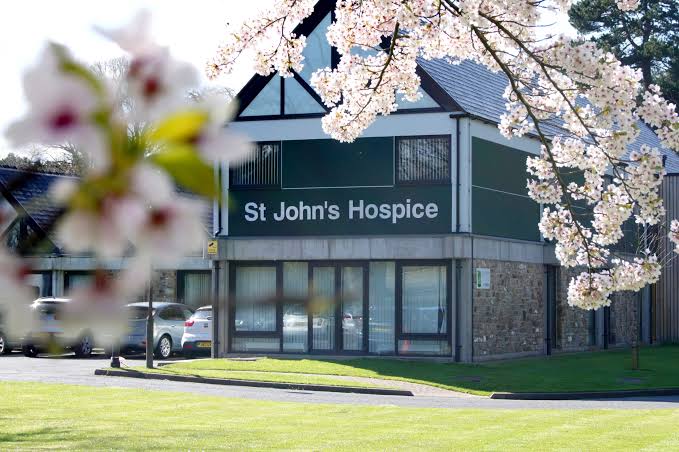
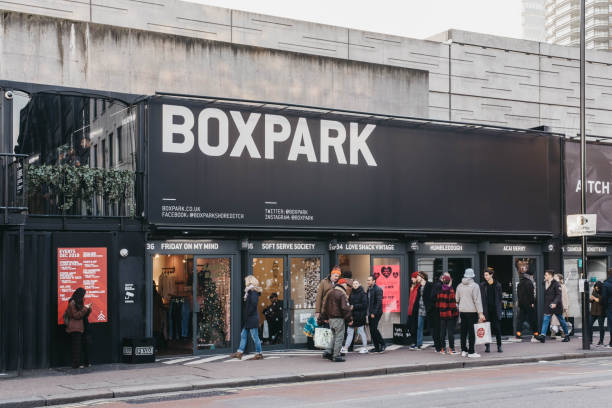
The homepage portfolio brings together major architecture, interior and film-led projects including Oxford Westgate, Manchester Business School, The Hive at Kew Gardens, BOXPARK Croydon, BOXPARK Shoreditch, St John’s Hospice, Atrium Showroom and Oldham Town Hall film work. Each project link uses a clean path structure so users and search engines can understand the site without being forced through outdated technical extensions.
Interior photography with clarity, atmosphere and usability
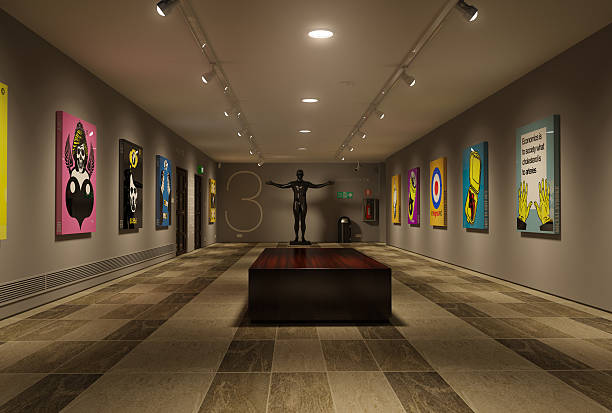
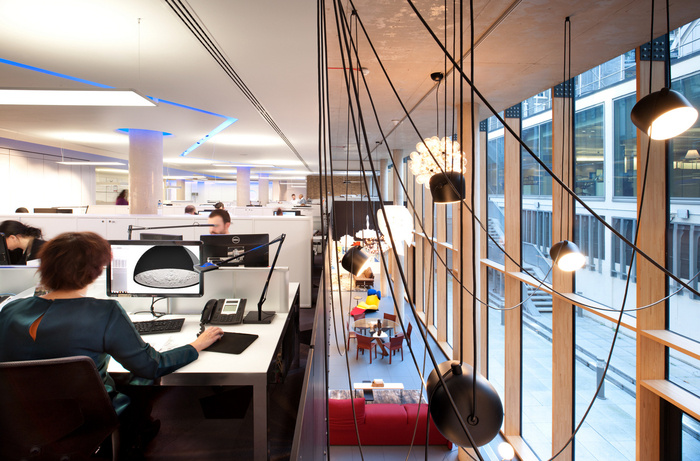
Interior photography has become more important as hospitality, education, workplace and cultural projects compete for attention online. A good interior image must show layout, mood and finish without exaggerating the space. It should make the room readable. It should also help people understand where they are, what the designer intended and why the space feels valuable. In 2026, this matters because interior photographs are often resized into small thumbnails, cropped into social posts, placed into award documents and used as hero visuals on project pages. A clean, well-composed image survives those changes better than a busy image that only works at full size.
The process usually begins by identifying the key rooms, movement routes, design features and periods of natural light. Some spaces benefit from a calm daylight approach, while others need a more controlled evening atmosphere. Commercial interiors, showrooms and public venues also require attention to signage, reflections, people, furniture alignment and the small details that can make a photograph feel either premium or unfinished. The goal is not to over-stage a building but to help it look resolved.
Nick Caville’s portfolio uses interior images as part of a wider architectural story. Atrium Showroom demonstrates how product, finish and spatial rhythm can be photographed with a controlled sense of depth. St John’s Hospice shows how calm, sensitive interiors can be presented with dignity. The Hive and Manchester Business School show how major public and education spaces rely on structural rhythm, circulation and scale as much as decorative detail.
Commercial property photography for developers, venues and brand teams
Commercial property photography needs to sell confidence. A developer, owner, leasing agent or place marketing team often needs images that can support a campaign for months or years. The photographs must show access, scale, frontage, atmosphere, pedestrian flow, public realm and the relationship between the building and its location. They also need to be clean enough for presentations and practical enough for fast digital use. The best commercial property image is not only attractive; it answers questions. What is the building? Where is the entrance? How does the place feel at street level? What kind of audience does it serve? What makes it different from another development?
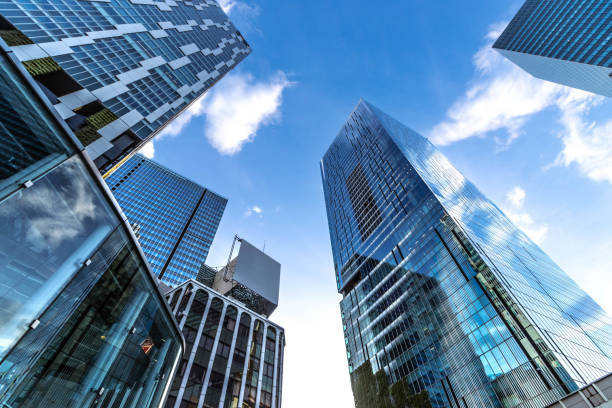
Projects such as BOXPARK Croydon and BOXPARK Shoreditch show how photography can capture a commercial environment that depends on energy, signage, modular architecture and public activity. The imagery needs to preserve the boldness of the brand while still showing the building as a real place. Oxford Westgate and Manchester Business School require a different tone: more emphasis on architectural massing, civic presence, user flow and detailed finish. A professional architectural photographer adapts to both conditions rather than applying the same visual treatment to every project.
For 2026 search intent, clients usually arrive with a specific need. Some search for an architectural photographer because a project is complete and needs images before launch. Others search for interior photography because a venue has been refurbished. Some need commercial property photography for investor material, tenders, leasing or press. This homepage is structured to support those intents directly: the services are explained, the portfolio is visible, the navigation points to individual project pages, the contact route is clear and the structured data helps search engines read the business context.
Selected work
Architecture, interior and film-led project pages
Use the project buttons below to view the restored clean-path portfolio structure. Each page is designed to support its own project intent with visual artwork, creative work, image and breadcrumb schema.
Why professional architectural images still matter in 2026
Architecture practices and property teams now publish more frequently than ever. Project updates appear on websites, Instagram, LinkedIn, newsletters, award portals and digital brochures. Because audiences move quickly, the first image often decides whether someone reads the case study or scrolls past it. Professional photography creates trust by making the project legible. It controls perspective, reduces visual distractions, balances highlights and shadows, and gives the viewer a confident sense of scale.
There is also a practical business reason. High-quality architectural photography can become a long-term visual asset. A completed project may be used in tender documents, new business meetings, editorial articles, planning reports and design awards long after the original launch. Poor imagery limits those opportunities because it forces a company to explain quality that the image should already communicate. Strong imagery reduces that friction.
In 2026, real businesses also need websites that load cleanly and explain their value without confusing the user. This rebuilt homepage removes legacy clutter, uses clear metadata, gives every image descriptive alternative text, applies a consistent modern visual system and places project navigation in obvious button-style links. The result is a portfolio experience that is easier for users and easier for Google to understand.
A measured process from planning to delivery
Every photography commission benefits from a clear plan. The most useful preparation is a project brief that includes location access, priority views, any required people or activity, key details, intended image uses and deadlines. For exterior architecture, light direction and weather windows are especially important. For interiors, the preparation often includes cleaning, furniture alignment, permission for occupied areas, control of screens and lights, and a decision on whether the space should feel quiet, active or editorial.
During the shoot, the work is guided by patience and accuracy. Architectural photography is often slower than general commercial photography because small changes matter: a vertical line, a reflection, a door left open, a person crossing the frame, a patch of harsh sunlight or an unbalanced ceiling light can change the quality of an image. Careful composition reduces these issues at capture rather than trying to repair everything later.
Editing should preserve the character of the building. The purpose is to refine the file so the image feels finished, not to create a false version of the project. Colour, contrast, lens correction, local adjustments and retouching are applied with the final use in mind. Press images, award images and website hero images may have different crops and export needs, so delivery is organised for practical use.
Architecture Photography
Exterior, public realm and completed project imagery for practices, design teams, cultural venues and developers.
Interior Photography
Interior spaces photographed for atmosphere, layout, material detail, hospitality, workplace, showroom and public use.
Commercial Property Photography
Visual assets for property marketing, leasing, launch campaigns, press packs, destination branding and investor material.
Reviews and client confidence
Professional photography is also about reliability. Clients need a photographer who understands architecture, arrives prepared, works carefully around building users, responds to changing light and delivers files that are ready for real business use. The review structure on this homepage is presented with five-star ratings to reflect the standard expected from a specialist architectural photography service.
★★★★★Precise, calm and visually strong. The final image set gave the project the clarity it needed for launch and portfolio use.
Architecture client review
★★★★★The interiors were photographed with excellent control of light and perspective. The images felt professional without looking overworked.
Interior design client review
★★★★★Reliable commercial property photography with strong attention to access, signage, frontage and the way the building sits in the street.
Property marketing client review
Architectural photography FAQ
What types of projects are suitable for Nick Caville Architectural Photographer?
Suitable projects include completed architecture, interiors, public buildings, education spaces, retail destinations, hospitality spaces, commercial property, showrooms and built environment film work.
Can one photography session support web, press and awards use?
Yes. A clear brief allows the shoot to cover hero images, detail images, wide contextual views and flexible crops that can support website pages, press releases, award submissions and social media.
Why are clean URLs used on this portfolio?
Clean URLs make the site easier to read for users and search engines. Each project path is simple, descriptive and aligned with the navigation structure.
How do I contact Nick Caville?
Use the contact page at /contact. The contact route is available from the navigation and footer across the portfolio.