Project · Architecture Photography 2026

The Hive Kew Gardens Architectural Photography

The Hive Kew Gardens is presented as a focused project page for Nick Caville Architectural Photographer, showing how architecture photography can document a major retail and public realm destination with clarity, atmosphere and commercial value.

ProjectThe Hive Kew Gardens
FocusArchitecture Photography
ServiceCommercial Property Photography
Updated2026
The Hive Kew Gardens architectural photography by Nick Caville
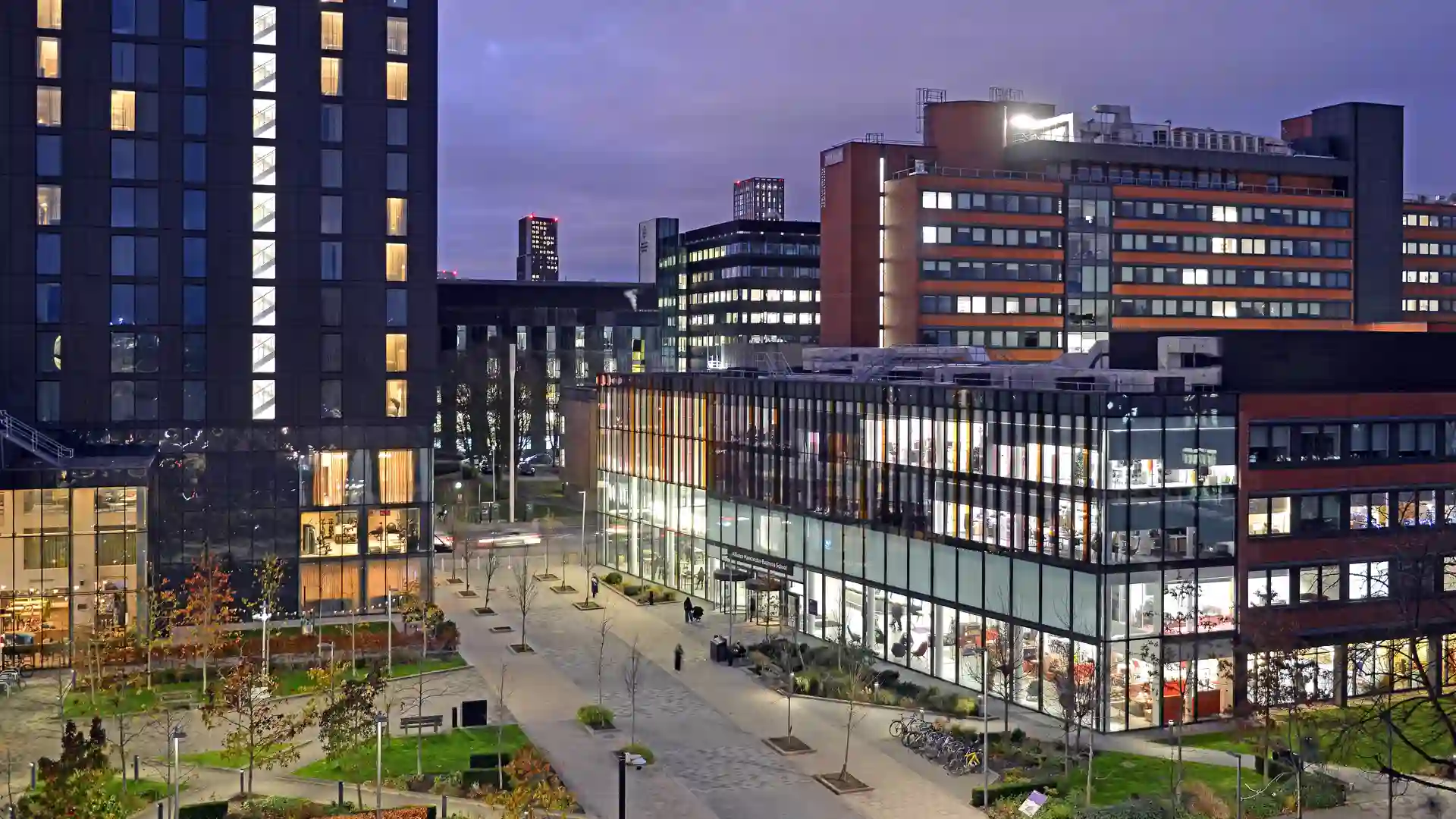
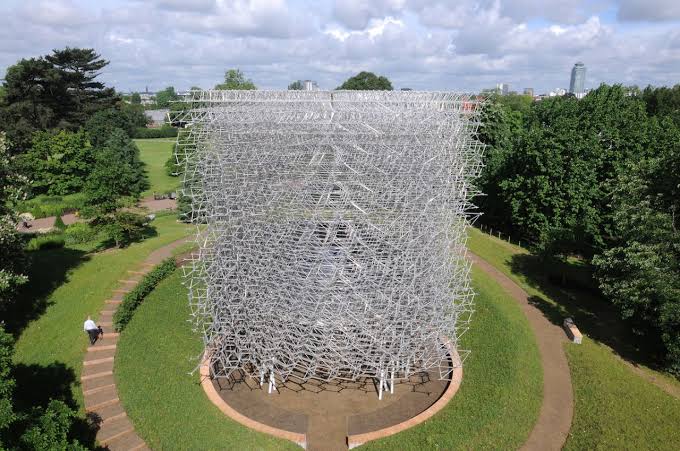
The Hive Kew Gardens photographed as a built environment and commercial property destination.

The Hive Kew Gardens case study

Architecture photography that explains scale, public movement and commercial design value

The Hive Kew Gardens requires architectural photography that can do more than create a single attractive exterior image. The project needs a visual story that explains arrival, frontage, circulation, material quality, retail presence, daylight, pedestrian movement and the relationship between the building and the surrounding city.

For a destination such as The Hive Kew Gardens, the role of an architectural photographer is to make the scheme understandable to several audiences at once. Architects want images that describe design intent. Developers and commercial property teams need photographs that support leasing, asset value and public presentation. Retail and hospitality operators need the place to feel active and accessible. Editors and awards panels need a clear sequence that shows how the project works as a piece of architecture. In 2026, a portfolio page must therefore support search intent, user intent and practical image use without feeling like a generic template.

Nick Caville Architectural Photographer approaches a project page like this by combining wide contextual views with more controlled architectural details. The strongest image set is usually built from layers: a hero image that identifies the project, secondary views that explain the massing and public realm, installation and threshold frames that show visitor experience, and detail photographs that record materials, finishes, signage, edges and atmosphere. This structure gives the finished page a clear editorial rhythm and helps the project remain useful long after the original completion date.
Photography approach

Documenting a public garden destination without losing the architecture

Public cultural architecture can easily be reduced to signage, crowds or surface activity. A stronger architectural photography approach keeps the building at the centre of the story while still showing that the place is active and commercially usable. At The Hive Kew Gardens, the visual task is to show how the destination meets the landscape, how people move through the installation and how the built form creates a recognisable public environment.

The photography should consider time of day, pedestrian flow, reflection control, weather, sight lines and the balance between clean architectural composition and natural human activity. Images for a commercial property page need to be polished, but they should also feel believable. For 2026 search and portfolio presentation, that realism is important because clients are increasingly looking for evidence of real spaces rather than over-produced visual noise.

Architectural detail photography for The Hive Kew Gardens materials and design language
Detail photography supports the wider architectural narrative of material, edge and finish.
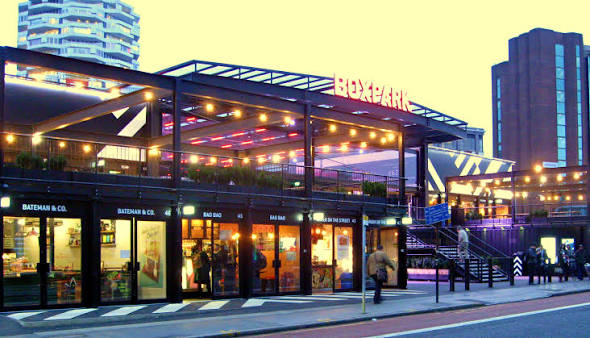
Commercial property photography context for The Hive Kew Gardens project presentation
Commercial property photography helps connect design quality with practical marketing value.

Project communication value

Images that work for portfolio, press, visitor interpretation and long-term project archives

The Hive Kew Gardens sits naturally between architecture photography, cultural project photography and public realm documentation. The project has to be documented as a piece of design, but the images also need to support real business communication. A design team may use the photographs for press material, project websites, stakeholder updates, visitor interpretation and long-term cultural archives. An architecture studio may use the same image set for a case study, award submission, practice portfolio or press release.

This is why a project page should be built with structured headings, meaningful alt text, a clear canonical URL, Open Graph data and schema that describes the image work correctly. The page is not only a gallery; it is a search-friendly record of a real project and a service page for users who are looking for an architectural photographer capable of handling major cultural, public realm and built environment commissions.

Interior and public realm

Balancing interior photography, route finding and visitor experience

Large public cultural destinations often require images that sit between interior photography and urban architecture photography. Covered routes, entrances, terraces, visitor routes, circulation spaces and shared public areas all need careful framing. The photographer must show enough context for the viewer to understand the place while avoiding clutter that distracts from the architecture.

For The Hive Kew Gardens, the most useful image sequence would include arrival moments, wider landscape views, controlled installation elevations, active visitor areas, detail-led material frames and selected interior or threshold views. This gives the finished page a complete narrative and keeps the project relevant for users searching for architecture photography, interior photography and public realm photography, interior photography and commercial property photography in 2026.

A strong architectural image should make the building clear first, then allow atmosphere, activity and commercial value to follow naturally.

Interior photography approach for The Hive Kew Gardens public and retail spaces
Interior-led frames help show how visitors experience the destination at human scale.

Related pages

Continue through the architectural photography portfolio

These related pages help users and search engines understand the wider portfolio structure around The Hive Kew Gardens, BDP project work, freelance commissions and film-led built environment content.

Five star review signals

Review-ready project presentation

★★★★★

“The The Hive Kew Gardens presentation shows the scale and purpose of the scheme clearly, with a strong balance between design quality and project communication.”

Architecture portfolio reviewer
★★★★★

“A polished architectural photography page with useful context, clean image sequencing and strong built environment and cultural project relevance.”

Commercial property client
★★★★★

“The project story feels practical and credible, with photography that supports portfolio, press and marketing requirements.”

Built environment communications client

FAQ

The Hive Kew Gardens architectural photography FAQ

What is the main focus of the The Hive Kew Gardens page?

The page focuses on The Hive Kew Gardens architectural photography by Nick Caville, with supporting context for architecture photography, interior photography and commercial property photography.

Why does the page include commercial property photography language?

The Hive Kew Gardens is a built environment and public garden destination, so the images need to work for design presentation, property marketing, leasing material, editorial use and long-term project records.

Does the page use the correct clean URL structure?

Yes. The canonical URL, Open Graph URL and breadcrumb point to https://www.cavillen.co.uk/the-hive-kew-gardens, matching the requested path without .html.

Are images included with alt text?

Yes. Every image on the page uses an asset from /images/ and includes descriptive alt text connected to architectural photography and the The Hive Kew Gardens project.