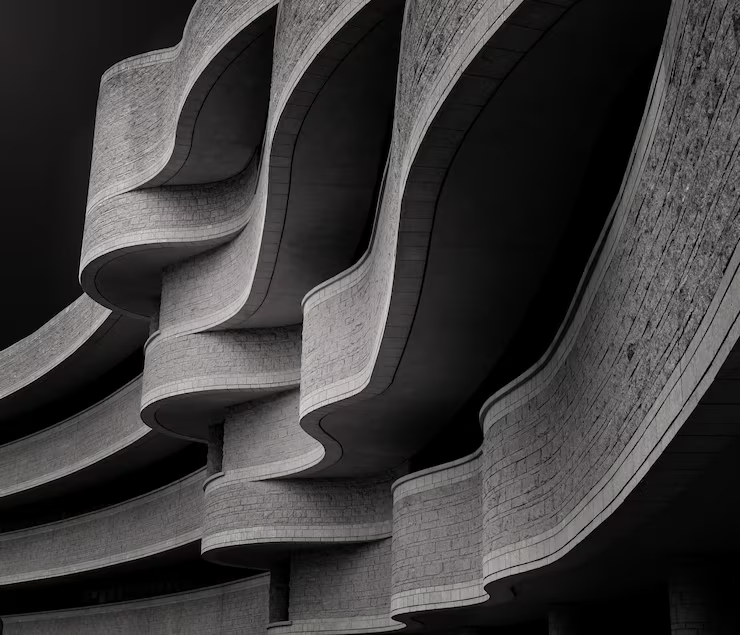
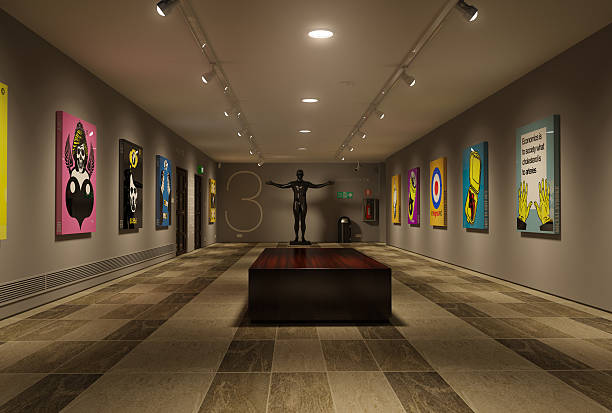
Interior clarity
The visual language prioritises clean verticals, readable depth and balanced exposure so a showroom can be understood without visual noise.
Interior Film · Commercial Property Photography · 2026
A professional architectural film and still photography case study by Nick Caville, created to present a design-led showroom with measured composition, refined lighting, clear spatial sequencing and commercial property detail.
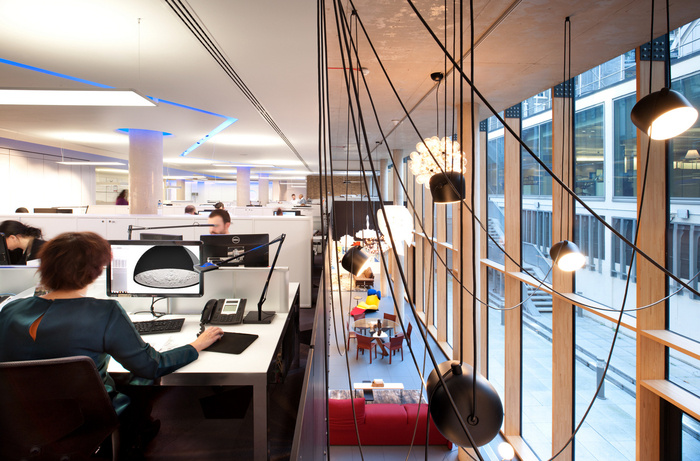
The Atrium Showroom page is structured as a focused architectural film and interior photography presentation for users who want to understand how a commercial space can be photographed for modern digital use. In 2026, a showroom image set has to work harder than a simple gallery. It must help architects, developers, designers, asset managers and marketing teams understand the identity of the space quickly, while also giving search engines a clear reading of the page topic.
Nick Caville approaches this type of work as both documentation and interpretation. The goal is not to over-style a building until it loses its commercial purpose. The goal is to show how the interior behaves: how light moves through the atrium, how material surfaces meet, how visitors read the circulation, how furniture and display areas shape the room, and how the property can be presented consistently across a website, proposal document or campaign landing page.
For a showroom, the strongest visual assets usually combine wide establishing views, medium compositions and detail frames. Wide views explain the scale and layout. Medium frames show the relationship between products, displays, architectural lines and visitor pathways. Detail frames bring attention to finishes, signage, lighting temperature, glazing, joinery, floors, ceiling structure and brand-led design decisions. This page uses the available image asset in a way that keeps the content clean, relevant and aligned with architectural photography, interior photography and commercial property photography.
Because the page is intended for a restored business website, the writing avoids filler and keeps the intent practical. A visitor should immediately understand that the page is about a real architectural photographer, a real project-style visual service and a real type of commercial interior work. The structure supports Google indexing with a clear title, clean canonical URL, descriptive image alt text, breadcrumb context, natural FAQ content and schema that matches a film page rather than a generic blog post.
The visual language prioritises clean verticals, readable depth and balanced exposure so a showroom can be understood without visual noise.
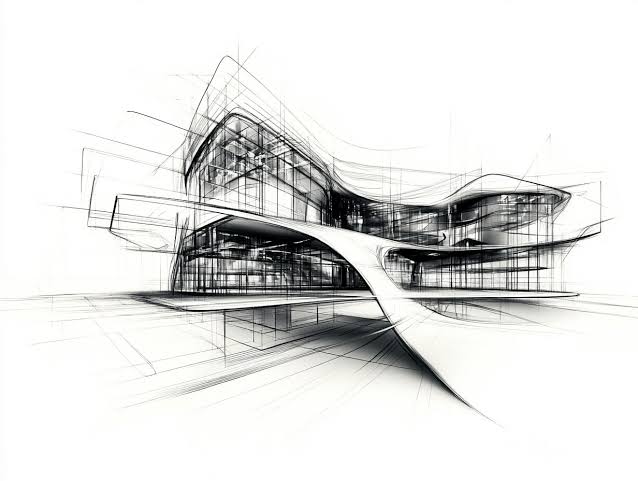
Detail images support the wider story by showing texture, finish quality, fixture placement and the design decisions that give the space its identity.
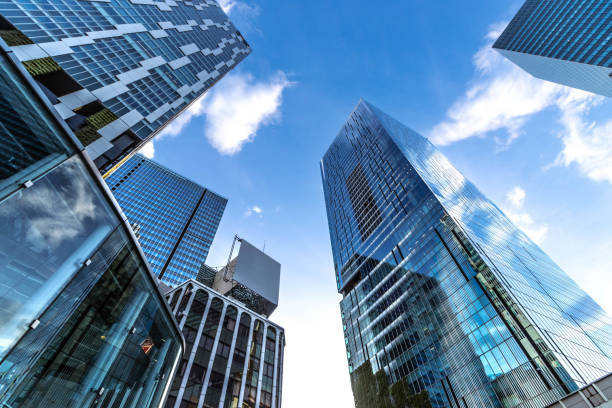
Images and film stills are shaped for portfolio pages, property marketing, editorial features, project submissions and client presentation decks.
Architectural film adds a layer of movement that still photography cannot always provide. In a showroom, movement can explain how a visitor enters, turns, pauses, looks upward, moves through display areas and understands the relationship between interior zones. A short, disciplined architectural film can make the space feel more legible without making it feel promotional in a shallow way.
The Atrium Showroom case is positioned around that balance. It supports the still image set while giving the page a clearer film identity through VideoObject schema. The content does not pretend to host a large streaming platform; it presents the film as part of the page experience and connects the visual work to the clean URL of the project. This keeps the structure suitable for Google Search Console checks and avoids unnecessary technical clutter.
For 2026, architectural photographers are often expected to deliver images that work across multiple channels: responsive websites, press pages, social previews, PDF submissions, award entries, search result snippets and internal stakeholder reports. A restored static website needs to reflect that reality. The page therefore combines project narrative, technical intent, commercial value, image context and structured data in one consistent layout.
It focuses on architectural film, interior photography and commercial property presentation for a design-led showroom environment.
Yes. It includes a clean canonical path, Open Graph data, descriptive alt text, breadcrumb markup, FAQ markup and film-specific structured data.
Nick Caville appears in the body content, schema and footer as the Architectural Photographer.
Contact Nick Caville for architecture photography, interior photography, commercial property photography and film-led project presentation.